Support


Salt Lake City to Las Vegas Campervan Rental

Salt Lake City to Las Vegas One-Way Campervan Rental
Planning a road trip from Salt Lake City to Las Vegas? Did you know you can rent a campervan one-way? Compare vehicles from several RV rental companies offering one-way rentals from Salt Lake City to Las Vegas.
Popular Campervans
Find the perfect camper for your travel needs.
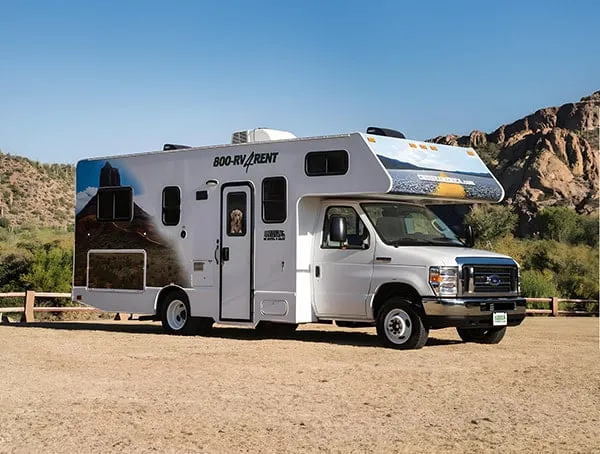
C25 Standard
Cruise America
Automatic · Toilet · Shower
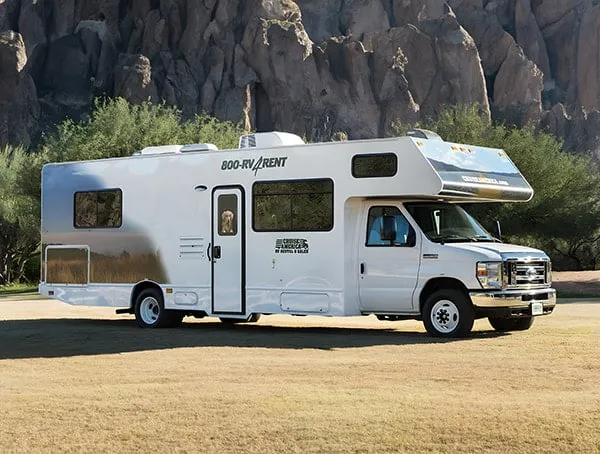
C30 Large Motorhome
Cruise America
Automatic · Toilet · Shower
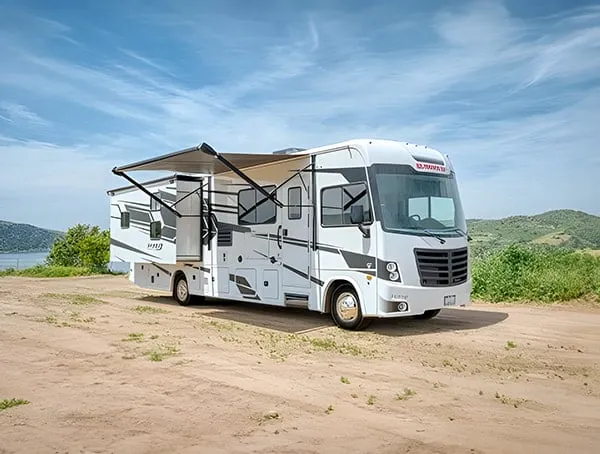
AF33 Class A
El Monte RV
Automatic · Toilet · Shower
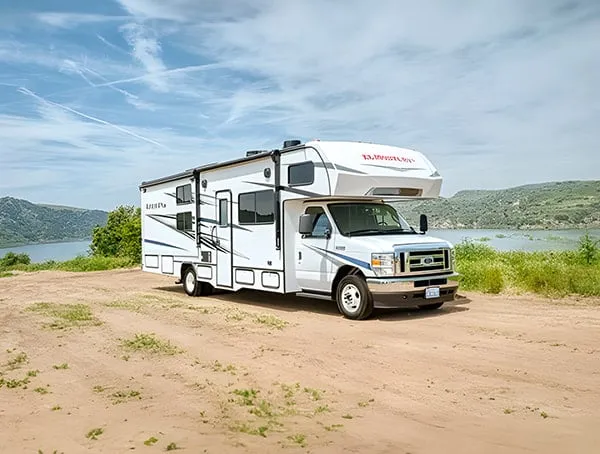
C28 Class C
El Monte RV
Automatic · Toilet · Shower
Big Sur CA
Escape
Automatic
Salt Lake City to Las Vegas One Way Itinerary
Part One
Salt Lake City, Utah to Helper, Utah
Distance: Approximately 161 km
Estimated Driving Time: About 1.5 to 2 hours
Attractions:
- Salt Lake City's Temple Square
- Utah State Capitol Building
- Red Butte Garden and Arboretum
Part Two
Helper, Utah to Price, Utah
Distance: Approximately 15 miles
Estimated Driving Time: About 20-30 minutes
Attractions:
- Western Mining & Railroad Museum in Helper
- Helper Main Street
- Spring Glen, Utah (Historical Sites)
Part Three
Price, Utah to Green River, Utah
Distance: Approximately 145 km
Estimated Driving Time: About 1.5 to 2 hours
Attractions:
- Cleveland-Lloyd Dinosaur Quarry near Price
- Utah State University Eastern Prehistoric Museum
- Carbon County Event Center
Part Four
Green River, Utah to Moab, Utah
Distance: Approximately 80 km
Estimated Driving Time: About 1 hour
Attractions:
- John Wesley Powell River History Museum in Green River
- Crystal Geyser
- Goblin Valley State Park
Part Five
Moab, Utah to Capitol Reef National Park, Utah
Distance: Approximately 274 km
Estimated Driving Time: About 3 to 3.5 hours
Attractions:
- Arches National Park near Moab
- Canyonlands National Park near Moab
- Dead Horse Point State Park
Part Six
Capitol Reef National Park, Utah to Bryce Canyon National Park, Utah
Distance: Approximately 120 miles
Estimated Driving Time: About 2.5 to 3 hours
Attractions:
- Capitol Reef National Park
- Scenic Drive and Petroglyphs
- Capitol Gorge Trail
Part Seven
Bryce Canyon National Park, Utah to Cedar City, Utah
Distance: Approximately 129 km
Estimated Driving Time: About 1.5 to 2 hours
Attractions:
- Bryce Canyon National Park
- Bryce Point
- Sunset Point
Cedar City, Utah to St George, Utah
Distance: Approximately 80 km
Estimated Driving Time: About 1 hour
Attractions:
- Utah Shakespeare Festival in Cedar City
- Frontier Homestead State Park Museum
- Southern Utah University
Part Nine
St George, Utah to Las Vegas, Nevada
Distance: Approximately 193 km
Estimated Driving Time: About 2 hours
Attractions:
- Snow Canyon State Park in St. George
- Red Hills Desert Garden
- Brigham Young Winter Home Historical Site
Popular One Way Routes
- Chicago to Los Angeles
- Denver to Las Vegas
- Fairbanks to Anchorage
- Las Vegas to Salt Lake City
- Los Angeles to San Francisco
- New York to Los Angeles
- San Diego to San Francisco
- San Francisco to Los Angeles
- San Francisco to San Diego
- San Francisco to Seattle
- Seattle to Los Angeles
- Seattle to San Diego
- Seattle to San Francisco
Frequently Asked Questions
Is free camping allowed in the US?
Free camping is not universally allowed across the USA; it is typically permitted in designated areas and on many US Forest Service and Bureau of Land Management lands, subject to local rules.
Both the US Forest Service and Bureau of Land Management care for millions of acres of land where free camping is allowed.
Many retailers and casinos may also allow you to camp for a night in their car park with permission from the owner.
There are also truck stops and rest stops where you can park for a night, though rest-area rules vary by state and some prohibit overnight stays.
What are the differences between Class A, B, and C motorhomes?
A wide variety of campervans are available in the US, from smaller estate cars up to large motorhomes. Some of the common types include:
- Class A: (21-45 ft) The biggest and most expensive, can be hard to manoeuvre if you are new to driving motorhomes but often comes equipped with additional luxuries.
Class A motorhomes are built on either a vehicle chassis, commercial truck chassis, or a commercial bus chassis, and run on either diesel or petrol, depending on the type of engine.
Usually, Class A vehicles are fully equipped with all facilities and a large living space.
- Class B: (17-19 ft) Small and affordable, easier to drive or manoeuvre. Class B vehicles are often known as campervan conversions and are built on a smaller chassis than the Class A.
Some Class B vehicles may include a toilet or fresh water tanks but not always. Class B vehicles usually have basic cooking equipment, folding beds, and limited storage space.
Class B vehicles are great for short-term getaways.
- Class C: (20-33 ft) Medium-sized, moderate storage space, and a few extra luxuries.
Class C vehicles are a smaller version of the Class A motorhome. They are built on a truck or van cutaway chassis and operate on a petrol-powered engine.
The Class C motorhome generally has sleeping quarters above the cab and more sleeping space in the rear. Some Class Cs also have a slide-out option that helps increase the living space when the motorhome is parked.
Class C vehicles come equipped with a good amount of facilities including a self-contained toilet, fridge, heating or air conditioning and cooking facilities.
Class C vehicles are very versatile and are great for both short- or long-term getaways.
Our comparison tool will show you the specifications of each vehicle available to ensure you find a campervan suitable for your needs.
Can I travel from the US to Canada in my hired motorhome?
This depends on the company. Several suppliers will allow you to travel to Canada in your hire vehicle, including Road Bear, El Monte, Cruise America, Escape Rentals, Campervan North America and Travellers Autobarn (Canada entry fee applies).
Please contact support for information on other suppliers. You must comply with visa and customs requirements at all times.
Are there any restrictions on where I can take my motorhome in the US?
Most hire companies only allow their vehicles to be driven on tarmac roads.
In addition, note the following restrictions regarding specific areas:
- Mexico - Travel to Mexico is generally prohibited in hire vehicles; some suppliers (such as El Monte) may allow it under certain conditions and with additional insurance.
- Death Valley - Restrictions can vary between suppliers. Some suppliers restrict travel during the hottest months of the year. Check with your hire supplier for full details.
- New York City/Manhattan City Centre - Some hire suppliers restrict travel in or through Manhattan (and sometimes parts of NYC). Check your hire agreement for full details.
- Canada - Motorhomes are generally allowed; however, travel to certain locations may be restricted during colder seasons.
If you take your vehicle where it is not permitted, you will be liable for all damages incurred, and an additional fine may be imposed.
Check your hire agreement for any further restrictions regarding your motorhome hire.
How much does it cost to stay at a campsite or caravan park?
A stay at a motorhome park will usually cost around $25–80 (USD) per night.
The cost of campsites has risen in recent years due to the popularity of motorhome holidays in the USA.
Does my motorhome come with unlimited mileage?
The majority of campervan hire suppliers in the US do not include unlimited miles as a standard hire inclusion.
In most cases, miles are charged per mile or via prepaid mileage packs (for example, 100-mile packs), and additional fees will be incurred if you exceed what you’ve purchased/allowed. Refund rules vary by supplier—some refund unused estimated mileage deposits, while others do not refund unused prepaid miles. Some suppliers do include unlimited miles as standard.
Check our comparison tool for details.