Support


RV & Campervan Rental France
🏷️ Compare Prices



Compare 160 Suppliers
Compare over 160 campervan rental brands worldwide.
Compare Prices
Find lower prices and you could save $100s.
No Booking Fees
Easy to use and no booking fees.
Expert Support
Our multilingual support team will help you book.
Compare Campervan Rentals In France
Begin your French journey with our user-friendly comparison platform. SEARCH, COMPARE, and SAVE on your ideal campervan rental, while we ensure a seamless booking experience.
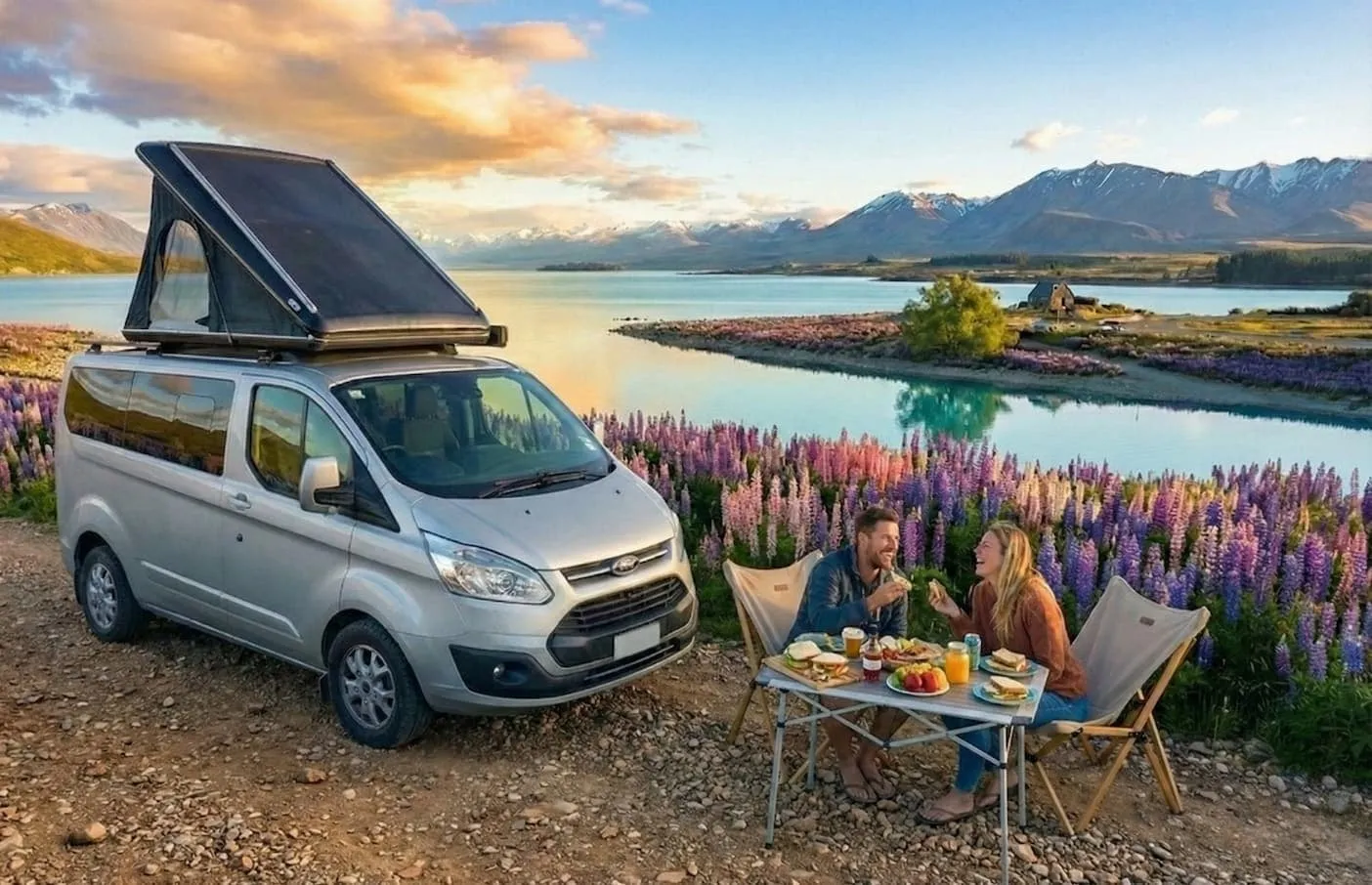
Compare prices of campervan rentals in France with Camper Champ. Motorhomes are available in multiple locations including Paris, Bordeaux, Lyon, Marseille and Nice.
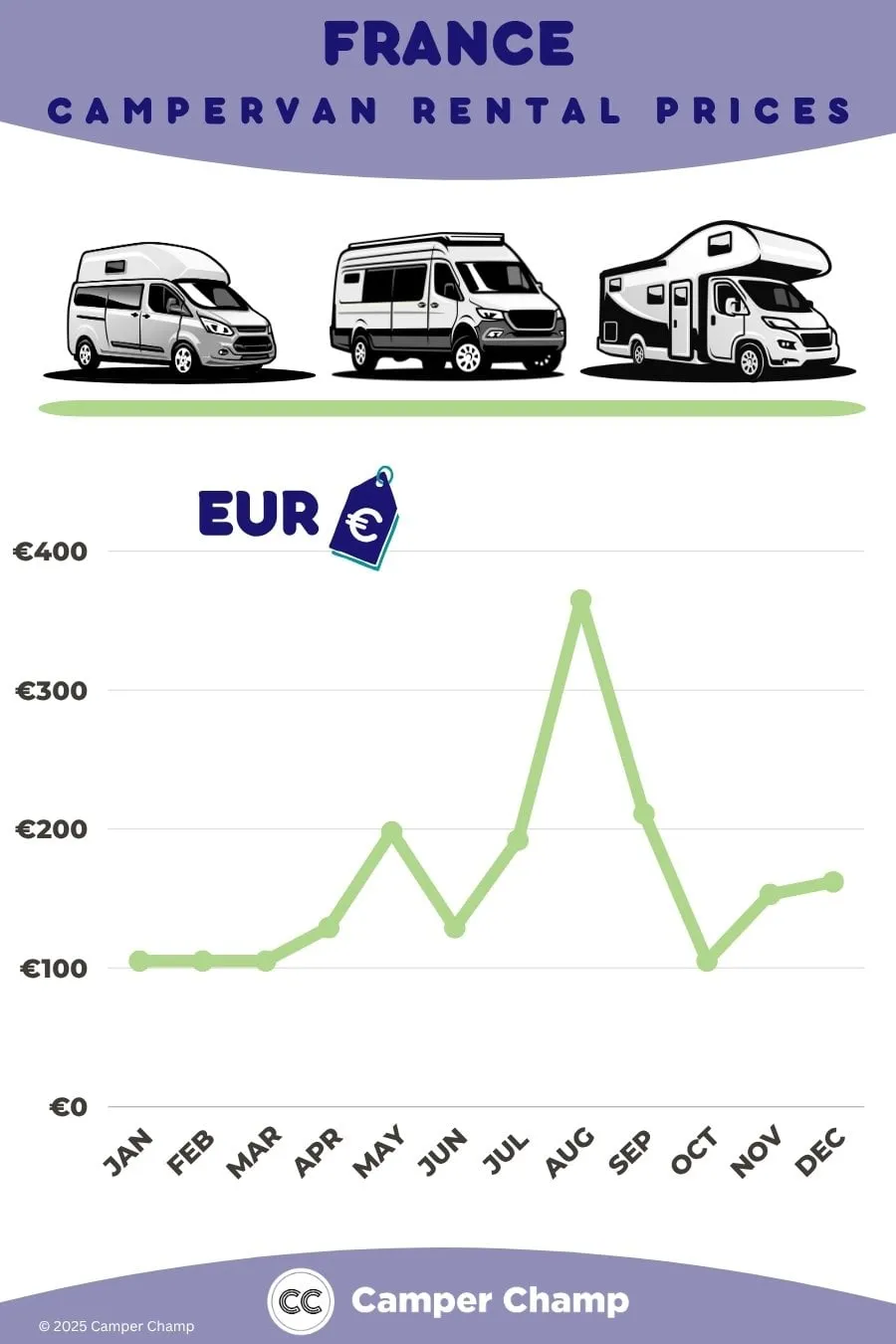
The cost of renting a campervan in Paris often starts around €70 to €120 per day in quieter periods and can rise to €200 to €300+ per day (or more) in peak summer, depending on seasonality, length of rental and vehicle type. A wide range of motorhomes is available from several providers, from smaller campervans to larger family motorhomes.
France is a spectacular country for a campervan road trip, with many designated aires and campsites across the country. Even those needing extra amenities can find plenty of campsites offering powered pitches and full facilities.
Every tiny road in France has the potential to lead you towards an unforgettable adventure, and the easiest way to see it all is by driving through the country in a comfortable motorhome
Campervan Depots
- AAutocaravan Express
- BEuromotorhome
- CMcRent
- DIndie
- EIndie
- FIndie
- GIndie
- HIndie
- IIndie
- JIndie
- KBlacksheep
- LAvis
- MBlacksheep
- NBlacksheep
- OAvis
- PAvis
- QAvis
- RAvis
- SAvis
- TAvis
- UAvis
- VRent Easy
Popular Campervans in France
Find the perfect camper for your travel needs.
Discover France your way by choosing a class of camper that suits your travel needs.
All
Sporty
Indie Campers
Manual
Matrix Plus
Anywhere Campers
Automatic · Toilet · Shower
VW California Camper
Indie Campers
Manual
Nomad
Indie Campers
Manual · Toilet · Shower
Compact Luxury Globebus I 1
McRent
Manual · Toilet · Shower
Family Plus
McRent
Manual · Toilet · Shower
Family Standard
McRent
Manual · Toilet · Shower
Premium Plus A 7870-2
McRent
Manual · Toilet · Shower
Family Luxury
McRent
Manual · Toilet · Shower
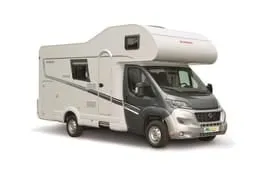
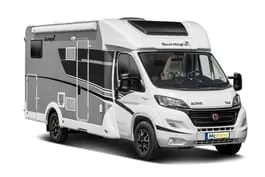
Adventure Camper-Van
Avis
Manual · Toilet · Shower





France RV Rental Prices
From cheap campervans to luxury motorhomes—compare prices and find a vehicle that fits your budget and travelling style.
How much does it cost to rent a campervan in France?
Prices vary greatly depending on the season, the type of vehicle, the pick-up location, and the rental duration. Generally, you could expect compact campervans in France to start at around €70–€120 per day in quieter periods, and to rise to €150–€300+ per day in peak summer. Larger motorhomes and premium models commonly range from about €120 to €400 per day, especially in high-demand dates. There may be additional costs for mileage, insurance, equipment like bedding or kitchen kits, and possibly a cleaning fee. Some companies may also offer discounted rates for longer rentals.
Use our easy comparison SEARCH feature to check up-to-date prices from multiple rental companies to find the best deal and review what's included.
When is the cheapest time to rent a campervan in France?
The cost of renting a campervan in France can vary based on the time of year. The prices are usually categorized into different seasons:
High Season: This is typically during the summer months when the weather is most favorable for camping and outdoor activities. The demand for campervans is highest during this period, so the prices are also at their peak. For France, the high season is from June 16 to September 7.
Mid-Season: This period typically falls during the spring and early fall months. The weather during these times can still be quite good for camping, but the demand is not as high as during summer. For France, the mid-season is from March 1 to June 15 and then again from September 8 to November 7.
Low Season: This is typically during the winter months when the weather is less favorable for camping. The demand for campervans is lowest during this period, and therefore, the prices are also at their lowest. However, it's worth noting that many rental companies close for the winter.
So, if you're looking to rent a campervan in France for the cheapest rate, the best time would likely be during the mid-season (spring and early fall) when demand is lower, but the companies are still open for business. You could also find lower rates during the high season if you book well in advance or can find a last-minute deal. However, availability could be limited during these times due to high demand.
Driving a Campervan around France
- Many autoroutes are tolled. Most campervans between 2 to 3 m tall with a GVW (PTAC) ≤ 3.5 t are typically treated as Class 2 on toll networks; taller vehicles (and/or additional axles) generally fall into higher classes and pay more.
- Crit'Air sticker required in Low-Emission Zones. You must order the Crit’Air vignette online from the official site before entering Low-Emission Zones (ZFE-m) in cities such as Paris, Lyon or Grenoble. Enforcement varies by city and can include roadside checks and camera-based controls.
- Speed limits for vans under 3.5 tons: 130 km/h on motorways (110 km/h in wet conditions), 110 km/h on dual carriageways and 80 km/h on other roads (some roads may be signed at 90 km/h). Heavier motorhomes have a maximum of 110 km/h on motorways, 100 km/h on qualifying dual carriageways, and 80 km/h on other roads.
- Aires de Camping-Car are common throughout France. A recent 2026 survey puts the average services + overnight parking package at about €13.62 per night. 1,108 aires are still completely free (out of 3,917 counted).
- Wild camping requires landowner permission and is not allowed on the coast, in protected natural areas and near historic monuments. Use campsites or aires instead.
- Motorway service areas appear every 30–40 km and many offer dedicated motorhome facilities including dump points, fresh water and electricity tokens.
Places to Stay in a Motorhome
| Option | Type | Typical features |
|---|---|---|
| Aire de Camping-Car | Motorhome stopover | Parking + (often) dump point/water; free to €8 to €20 per night depending on services and location |
| Camping Municipal | Public campsite | Showers, power, often walkable to a village or town |
| Private 3–4 ★ campsite | Full-service site | Larger pitches, pool or restaurant, optional hookups |
Aire de Service / Aire de Camping-Car is the French term for a motorhome stop. These are similar to Germany's Stellplatz. They range from simple parking areas to fully serviced stops (sometimes run by private networks). Payment/booking varies by location—some are first-come-first-served, others use machines or online systems.
The Self-drive Holiday in France
France is a very popular motorhome destination thanks to its large network of campsites and motorhome aires. Overnighting is generally easiest (and least stressful) when you use designated aires or campsites, and when you follow local signage and time limits if you park elsewhere.
To make the most out of France’s campervan parking rules, you’ll want to pick an RV that weighs less than 3.5 tons where possible. Vehicles in this range are often easier for toll categories and city access, and they typically follow standard passenger-vehicle speed rules. Larger/heavier motorhomes may face different limits and can be harder to park in towns.
Smaller 4WD campers can also be easier to handle on narrow or mountain roads, especially in winter. They have fewer amenities, but 4WD campers are often among the cheaper options. If you have the budget for it and want more home comforts, then a Luxury Class RV can be a great choice, just remember it may be trickier to park in busy areas.
When you book an RV with Camper Champ, you can compare vehicles from across the most trusted RV rental brands and quickly filter through all the options based on costs and amenities to find the best deal for your next vacation.
France is a perfect destination for an RV road trip; here’s why:
- Lower-Cost Overnight Options: There are many aires across France, ranging from free basic stops to paid, serviced areas, plus thousands of campsites when you want full facilities.
- Breathtaking Panoramas: The French landscape is as beautiful as it is varied, with everything from coastal dunes to snowcapped mountains.
- Hidden Treasures: The country’s most authentic experiences can be found in its tiny rural villages, many of which are best reached by road.
- Convenient Travel: When you drive around France in an RV, you’re traveling with all your vacation gear—so it’s easy to mix hiking, beach days, skiing, and foodie stops in one trip.
Travel Tips for France
How can you save money on a campervan vacation in France?
The most budget-friendly way to see France is to rent a campervan and start driving. Not only are your transport and accommodation costs combined, but you can use these handy tips to save extra money on your French campervan vacation:
- Sleep for Free Wherever Possible: France has a huge network of motorhome stopovers (aires) and low-cost campsites. Some aires are free, while many charge a modest nightly fee (and/or small fees for water/electricity). If you use public parking, always follow local signs and time limits, leaving a vehicle in the same spot for more than 7 days can be treated as abusive parking (and local rules can be shorter).
- Get Early Booking Discounts: Many rental companies price varies and booking months ahead (especially for summer) often gives you the best selection and can reduce costs.
- Avoid the Highways: You often pay to drive on France’s tolled autoroutes. Slower National or Departmental roads can be free, more scenic, and may reduce toll spending, just plan extra driving time.
- Travel with Friends: You can comfortably split the cost of your motorhome rental and overnight stays when you travel with friends.
When is the best time to go campervanning in France?
Summer is the most popular time of year for a campervan holiday in France. Between June and August, the days are long and many campgrounds and services operate at full capacity. Temperatures vary a lot by region, coastal areas are often milder, while inland and the south can get very hot during heatwaves, so it’s smart to plan shade, water, and ventilation.
Anyone visiting the country to enjoy the famous Alpine slopes should consider France in the winter. Skiing, snowboarding, and picturesque ski towns are typically best enjoyed between December and March, depending on snowfall and resort conditions. Temperatures in the mountains are often around freezing or below, while many lower-elevation cities are milder.
Visiting France in the spring or fall often means fewer crowds (and sometimes lower rental prices), with a good balance of comfortable driving conditions and seasonal scenery, just be prepared for more variable weather and shorter daylight than midsummer.
How long do you need in France for an RV vacation?
If you're sticking to one area, maybe for a ski trip or beach getaway, you need at least one week to immerse yourself in your trip. You can get much more sightseeing done in two weeks while still having plenty of time to relax. Traveling across France takes time, so you'll need a whole month if you want to really see it all.
Are there toll roads in France?
France's biggest cities are connected by autoroutes (major highways). Many long-distance autoroutes are toll roads, and you will pay at a péage on tolled sections (either at entry/exit in a closed system, or at barrier points). You may be asked to pay multiple times if you use several tolled sections. Some major tunnels and bridges also have separate fees.
Driving on tolled autoroutes can make journeys much faster, but you'll want to factor tolls into your budget. Toll prices vary by vehicle category, typically based on your vehicle’s height (commonly around the 2 m / 3 m thresholds) and number of axles, and on many networks whether the vehicle’s GVW is up to or above 3.5 tonnes. You can calculate toll costs before you start your campervan trip (note: calculators may apply to specific motorway networks).
If you enjoy scenic drives and prefer to save money for sightseeing, you can easily traverse France using the free National or Departmental roads. While these roads may have lower speed limits, they’re often lined with beautiful rural villages and memorable roadside stops.
Top 10 Attractions in France
If need a hand in planning your trip, then check out the 10 best things to do in France:
Follow in the Footsteps of Famous Artists
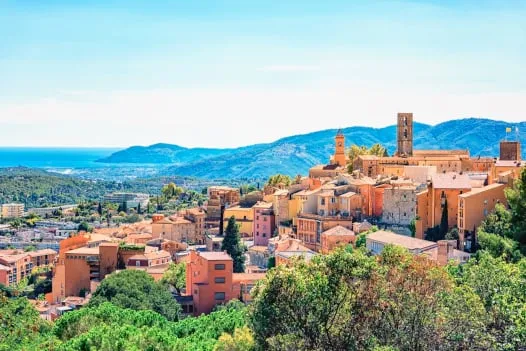
The friendly region of Provence was home to some of the greatest classical painters in Europe, including Van Gogh, who lived in Arles, Matisse, who settled in Nice, and Cézanne and Picasso, who were based around Aix-en-Provence.
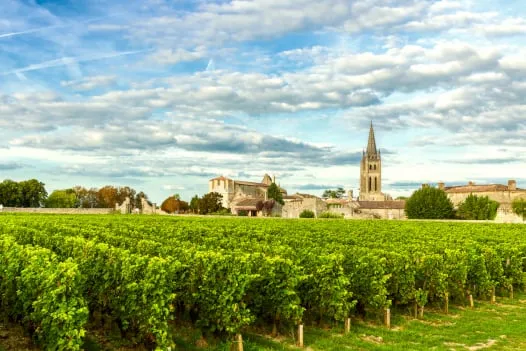
Go Wine Tasting in Bordeaux
Bordeaux is the birthplace of some of the world's greatest vintages, with hundreds of vineyards scattered around the sunny countryside. Stop by Chateau Petrus, Saint Emillion, or Monbazillac to sample everything from deep reds to sweet dessert wines.

Walk along the Avenue du Champagne
The small town of Épernay is the birthplace of champagne, with brands like Moët & Chandon, Dom Perignon, and Pierre Mignon all originating in this area. Take a stroll along Champagne Avenue and join in on the many tasting sessions that are offered to visitors.
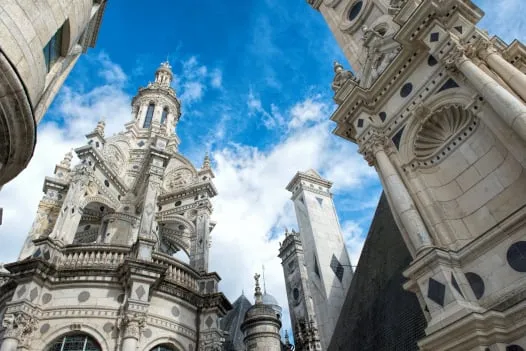
Tour the Historic Chateaus
From the ill-fated grandeur of the Palace of Versailles to the stone fortresses that defended medieval towns during the Hundred Years War, France is packed with Chateaus that offer tours and even wine tastings for guests to enjoy.
Share the Magic of Disneyland, Paris
Visit the world's most fantastic adventure park on an unforgettable family vacation. Chessy, near Paris, is home to Europe's only Disneyland and is sure to be a day of family fun.
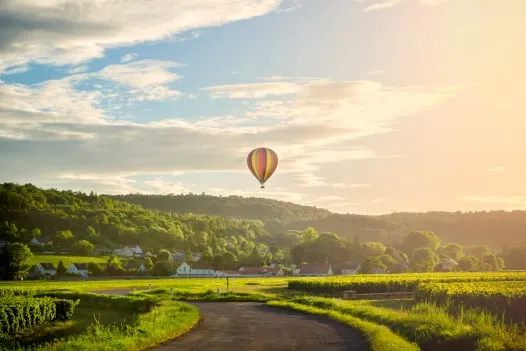
Ride in a Hot Air Balloon
While it's true that France is beautiful from the road, you have to be soaring through the clouds to appreciate the true splendor of the nation. You can find hot air balloon rides in most of the country, from trips over the Loire and Dordogne rivers to overhead explorations of the Pyrenees mountains.

Try the Local Cuisine
While in France, taste some of its regional delicacies. Savory dishes you should try include the iconic escargots in garlic sauce, the healthy French onion soup, the rich beef burgundy, or the simple ham and cheese sandwich. There's also a wide array of French desserts to sample, including eclairs, crème brûlées, cream puffs, and macarons.
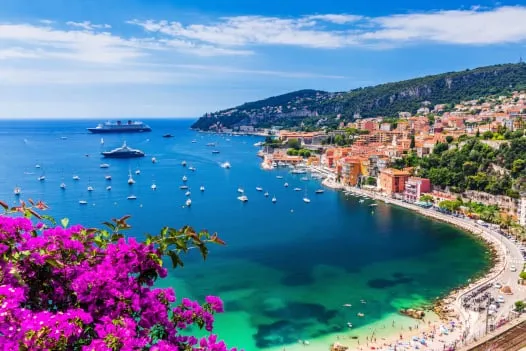
Drive Along the Mediterranean Coast
The famous French Riviera features pristine sandy beaches, stunning clifftop hikes, and the best bouillabaisse in France. The stunning coastal roads sprawl across the landscape, with vibrant lavender fields on one side and turquoise waters on the other.

Visit the Museums of Paris
The historic city of Paris is packed full of ancient artifacts, renaissance art, and unique exhibitions. Don't miss out on a trip to the Louvre, the Musée d'Orsay, the Grand Palais, the Cité de la Musique, and countless more fascinating hidden treasures dedicated to the arts and culture.
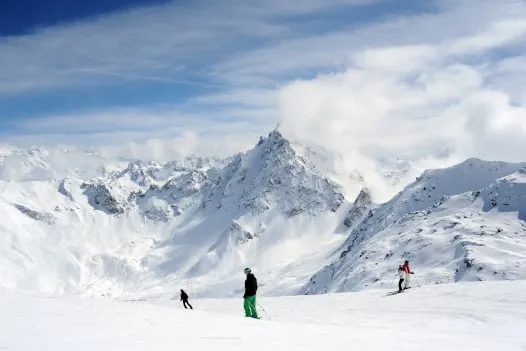
Hit the Slopes
Test your luck in the heart of the French Alps on a memorable Winter ski trip. The best resorts for snow sports include Chamonix, which is located at the foot of Mont Blanc, Val Thorens, and Val d'Isère.
Parking a Campervan in France
What are some of the best places to park a campervan in France?
You can park your campervan weighing less than 7,716 pounds in public parking spaces during the day if you pay at the parking meter, as you would with a car. According to French law, campervans are even permitted to park in spaces along the side of a road. Still, you can't set up your lawn chairs or open your awning if you park in public areas, and you can only stay in one parking spot for a maximum of 7 consecutive days.
Some underground car parks may have height-restricting barriers if they can not accommodate tall vehicles, so be sure to know the height of your campervan before you set off. If you see a road sign with a motorhome inside a red circle, you cannot park or sometimes even drive on that road.
It is against the law to park a campervan anywhere in Paris. When visiting the capital, please park in one of the surrounding campsites or suburban areas and take public transport into the city center.
Where can you park a camper van overnight in France?
France is filled with motorhome stopovers often called *aires* (you may also see aire de service or aire de camping-car), found near towns and villages and sometimes close to major routes. These are different from motorway rest areas (aires de repos / aires de service) and are designed for short stays by motorhomes. Many aires offer basics like waste disposal, and some provide water and electricity for a fee. Some are free, but many charge a nightly price depending on location and services.
Camping is generally allowed on private land with the landowner’s agreement, but there are important restrictions in certain protected or sensitive areas, and local authorities can also prohibit camping outside designated sites in specific zones (with proper signage). If you want a simple, legal overnight without a campsite, aires are usually the easiest option.
In many places, you can sleep in your vehicle where overnight parking is permitted, but you must follow local signs and time limits, leaving a vehicle in the same place for more than 7 days can be treated as abusive parking (and local rules can be shorter). If you’re seeking a farm or vineyard stay, France Passion is a popular option that connects campers with hosts (membership required).
National Parks in France
Which are the best national parks to visit in France?
Although wild camping (camping sauvage) is generally prohibited in the core areas of France’s National Parks, each one has many nearby rustic campsites and Aires that offer useful services and unforgettable views for very low prices (or even for free). The Calanques National Park covers a coastal area near Marseille in sunny Provence, featuring dramatic coastal cliffs that drop away to sandy beaches and turquoise waters. Cassis is a small seaside town in the Calanques where you find Camping Les Cigales, a campground with an on-site restaurant with electric hook-up pitches, warm showers, and great views—its posted 2025 walk-in pricing is €6.20 per pitch + €11.61 per person (+ €0.29 tourist tax), with electricity at €3.90/day (rates and season dates vary). Or sleep in Cassis in the large vehicle section of a panoramic Aire (costs/rules can change—check the signs on arrival).
Port-Cros is another Provencal National Park, located on a stunning Mediterranean island east of Toulon. No cars are allowed in Port-Cros; you must take a passenger ferry from Hyères to get there—TLV-TVM lists Tarifs 2025 to Port-Cros as €29 adult / €25 reduced, or €17 one-way (check current fares before you travel). The best nearby overnight stop is the Olbia Campsite on the adjacent Giens Peninsula. This beautiful beachside camp offers shaded electric hookup pitches—its published 2026 daily pitch packages range roughly from €18.70–€35.50 (Eco, 2 people) and €23.00–€39.60 (Standard, 2 people), up to €40.40–€62.30 (Standard Plus, includes 3 people + electricity) depending on the date range, plus tourist tax and booking fees. The Olbia Campsite also has a bar and restaurant and an on-site laundromat. Self-sufficient campers can stay in Parking Arromanches, a free P+R in Hyères used to access island/ferry connections via local transport (always check local signage and seasonal arrangements).
If you visit France for winter skiing, you’ll be near the country’s three Alpine parks. The biggest is Écrins National Park which is split between the Isère and Hautes-Alpes departments and features frost-capped mountains and wildflower meadows. Stay near the slopes in the quaint valley campsite Ferme Noemie, complete with free WiFi and a laundromat—local tourism listings describe motorhome pitches around €18–€28 (for 1–2 people), plus electricity and extras depending on season.
The Mercantour National Park is an Alpine range in the Provence-Alpes-Côte d'Azur region. The most budget-friendly Mercantour campsite is the Isola Aire, where you can get a large full hookup pitch for about €15.86 per 24h (2026–2027), plus tourist tax. The campsite contains a communal bathroom with hot showers and is close to both ski slopes and lakeside cafés.
The smallest park in the French Alps is the Vanoise National Park, located in the department of Savoie. The best campsite for skiing and hiking in Vanoise is Camping-Caravaneige La Buidonnière. Overnight stays here cost around €30+ depending on season and number of people, and typically include access to facilities (confirm exact pitch totals and hook-up pricing on the campsite’s current tariff sheet).
The Cévennes National Park is formed of mountains and river valleys in the Occitania region. The campsite Le Vale des Cévennes is a gorgeous locale in the foothills of the Cévennes mountains, close to a historic village. From April to September, this riverside camp offers full hookup-style pricing that typically lands around €20–€25 per night for 2 people + vehicle in high season (with electricity listed separately at €4.50/day) and it still offers donkey experiences (confirm availability/pricing on the site’s current tariff page).
The Forêts National Park covers a densely wooded area between the Haute-Marne and Côte-d'Or departments. In the heart of the park is the Camping de mon Village d'Auberive, a rustic Aire near a small village where you can get water, electric hookups, and WiFi—Camping-Car Park lists 2026 pricing around €16.20–€17.50 per 24h (seasonal), plus tourist tax. The Pyrénées National Park is home to the Pyrenees mountain range that stretches along the border between France and Spain. The best budget stop is a Campervan Aire on the edge of Génos Lake, near Loudenvielle and the Val Louron Ski Resort—Camping-Car Park lists this Loudenvielle area at €15.86 per 24h for 2026–2027 (+ tourist tax), with a 5h + services option at €6.00.
How much does campervan entry cost at a National Park in France? Are any permits required?
All of France’s 11 National Parks (including 8 in metropolitan France) can generally be entered and explored without a general admission ticket. While some parks include optional activities or nearby sites that may cost extra (for example boat trips, parking, or guided experiences), the protected landscapes themselves are open for everyone to enjoy.
Top 10 Campervan-friendly Campgrounds in France
French rest areas are great for layovers, but if you want your vacation destination to have full hookups, hot showers, and WiFi, here are the 10 best campgrounds around France:
Amis de la Plage
on Ile de Ré: Sleep in style at this beachside location on a picturesque Atlantic island from €27 to €37 a day.
Camping Barolles
near Lyon: This rustic camp with an onsite bar offers pitches for $25 per day.
Camping Beau Soleil
near Bordeaux: Enjoy the sprawling vineyards of Bordeaux when you stay in this family-friendly campground with prices as low as €18.
Camping Chadotel
near Perpignan: Tucked next to the Mediterranean coast near the Spanish border, this campsite, with a pool and activities, is open from April to September with prices starting at €35.
Le Jardin de Sully
near Orleans: Explore the enchanting Loire Valley when you stay at this riverside camp, complete with a pool and a mini-golf course, for €20 per night.
Camping de l’Ocean
near Carcans: Play atop the tallest sand dunes in Europe, then settle down under the shady pines in this oceanside camp for $20 to $35.
Camping des Moulins
near Bergerac: With river kayaking, duck confit, and regional wines, Bergerac is a great summer spot. Stay in this campground, complete with a pool, for around €25 a night.
Au Paradis de Campeurs
near Saint Tropez: Sleep in a beachside paradise surrounded by coastal trails and Mediterranean fun from $30.
Le Parc de Paris
near Paris: Stay close to the capital in this friendly campground with mini golf, a hot tub, and a restaurant, from €25 a night.
Camping de Poulquer
near Quimper: Relax on the beautiful Brittany coastline at this kid-friendly camp with an indoor pool, starting at €22 a night.
Other European Destinations
Frequently Asked Questions
Is wild camping in an RV allowed in France?
Free/Wild camping is allowed in France only on private land with express permission from the landowner and it remains subject to national restrictions. Local laws may apply in certain areas so check online or at an information center for regional guidelines.
France has around 7,460 campsites costing around €30.10/night, ranging from €16.10 for an unclassified (no-star) campsite to nearly €60.60 for a five-star campsite. Prices still vary a lot by season, location, and amenities, basic municipal sites can be very affordable, while popular coastal or resort areas in peak season cost more.
Is a one-way campervan rental possible?
Yes, a large number of RV rental companies allow for one-way rentals as well as between countries in Europe.
A one-way road trip is often more convenient and can allow you to explore more of the country. For example, a popular one-way vacation route in France is Paris to Rome via Provence and the French Riviera (Côte d’Azur) – traveling through Southern France along the coast of the Mediterranean Sea through Saint-Tropez, Cannes, and Monaco.
One-way rentals may not be available between all routes, and additional fees apply, depending on the pickup and drop-off locations. Our comparison tool will automatically factor in any additional fees and show you which vehicles are available on your preferred route.
What type of license do you need to rent a campervan in France?
To rent a motorhome weighing up to 7,716 pounds in France, you need a valid standard Class B Driving License. Anyone from a country outside Europe with a non-Latin alphabet must bring an official French translation of their license.
If you plan to rent a Luxury Class motorhome that weighs over 7,716 pounds, you'll need to secure an additional Class C1 'heavy vehicles' license.
The minimum age to rent a campervan in France is 21 years old, although many companies necessitate that you be at least 23 to rent from them. Most campervan rentals also prefer drivers to have at least three years of driving experience before taking the reins of a motorhome.
Campervan Rental Reviews

Apollo Motorhomes
4.2★· 29 reviews
Apollo has been operating since 1985 and is well known among the RV rental community. The company has a wide range of vehicles and depots across all major destinations.
- ✓ Luxury
- ✓ New

McRent
4.5★· 107 reviews
One of the largest rental companies in Europe, McRent has luxury vehicles to suit groups of all sizes. McRent guarantees that its vehicles are no more than 2 years old and has depots in 95 locations throughout Europe and internationally.