Support


RV Rental Germany
🏷️ Compare Prices

Compare 160 Suppliers
Compare over 160 campervan rental brands worldwide.
Compare Prices
Find lower prices and you could save $100s.
No Booking Fees
Easy to use and no booking fees.
Expert Support
Our multilingual support team will help you book.
Compare Campervan Rentals In Germany
Compare the best deals from Germany’s most trusted motorhome rental companies and save money on your next road trip. Browse different models, features, and prices to find the perfect campervan for your dream holiday!
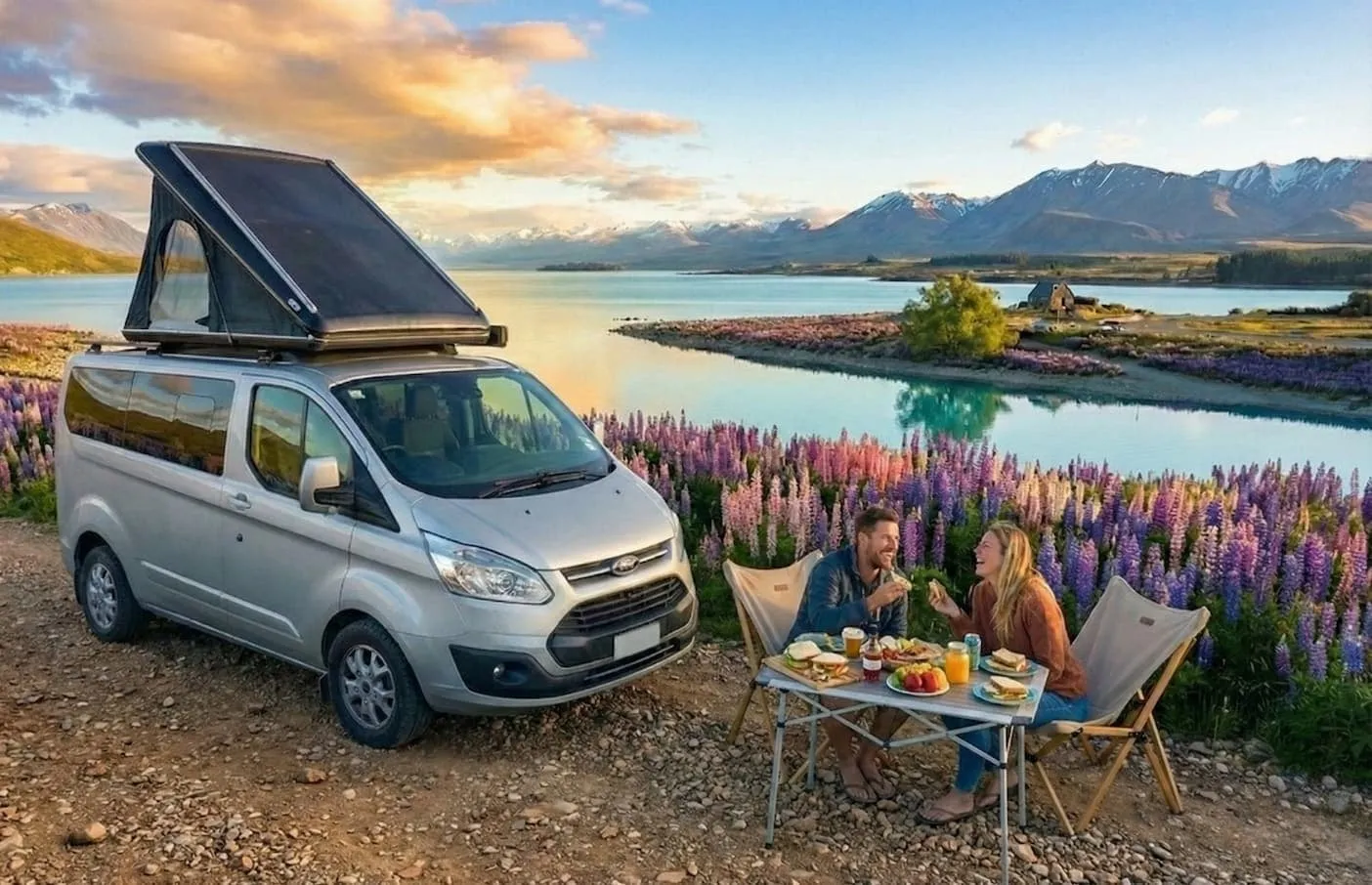
Compare multiple campervan rental companies in Germany. Multiple pickup locations are available including Berlin, Frankfurt, Hamburg, Munich and others.
The cost of renting a campervan in Germany typically starts at around €70–€90/day in the low season and can go up to €250–€300/day or more depending on vehicle type, size, seasonality and other factors.
For most travellers, the best time to see Germany is in the summer. The weather is generally mild to warm from late spring through early autumn (roughly May to September), and for many campers the main camping season runs between April and September. If you're visiting for a ski trip, winter sports are possible in most years from December to March, and some high-altitude areas can run longer depending on snow conditions. The cheapest time of year to rent a campervan in Germany is usually in the off-peak season (often in winter, outside of Christmas and New Year), while spring and fall can be good-value shoulder seasons compared with July and August.
Campervan Depots
- AAutocaravan Express
- BIndie
- CRent Easy
- DRent Easy
- ERent Easy
- FRent Easy
- GMcRent
- HMcRent
- IMcRent
- JMcRent
- KMcRent
- LMcRent
- MMcRent
- NIndie
- OAvis Explore
- PIndie
- QIndie
- RIndie
- SIndie
- TElitejoy
- UDRM
- VDRM
- WDRM
- XDRM
- YAvis Explore
- ZAvis Explore
- 27Rent Easy
Popular Campervans in Germany
Find the perfect camper for your travel needs.
All
Group A1 VW California Star
DRM
Manual
Nomad
Indie Campers
Manual · Toilet · Shower
Sporty
Indie Campers
Manual
Family Standard
McRent
Manual · Toilet · Shower
Family Luxury
McRent
Manual · Toilet · Shower
Matrix Plus
Anywhere Campers
Automatic · Toilet · Shower
Family Classic Carado T 448
Rent Easy
Manual · Toilet · Shower
Group C1 Family Star
DRM
Manual · Toilet · Shower
Active Classic Grand Canyon
Rent Easy
Manual · Toilet · Shower
Premium Plus A 7870-2
McRent
Manual · Toilet · Shower
Family First Carado A 464
Rent Easy
Manual · Toilet · Shower
Group C2 Family Cruiser
DRM
Manual · Toilet · Shower




Germany RV Rental Prices
From cheap campervans to luxury motorhomes—compare prices to find a vehicle that suits your budget and travelling style
How much does it cost to rent a campervan in Germany?
The cost of renting a campervan in Germany could vary widely depending on the time of year, the model of the campervan, and how long you plan to rent it.
On average, you might expect to pay anywhere from around €80 to €145 per day for a standard campervan (often listed as a Campingbus or Kastenwagen). Luxury, larger, or more fully equipped models would likely cost more, commonly in the range of €150 to €220+ per day. During peak summer weeks and school holidays, prices for popular models can be higher still (in some cases reaching roughly €179 to €259 per day, depending on the supplier and vehicle category). However, these prices could be lower or higher depending on the specifics of your rental.
Prices are also subject to change, so for the most accurate and up-to-date information, check current rates using our search tool. Remember to consider additional costs such as fuel, campground fees, and optional extras (for example: bedding or kitchen kits, camping furniture, extra drivers, mileage packages, or insurance upgrades). Some suppliers may also charge a one-time service/hand-over fee and require a refundable security deposit.
When is the cheapest time to rent a campervan in Germany?
The price of renting a campervan in Germany can vary greatly depending on the time of year due to supply and demand.
The most expensive times to rent a campervan are during peak vacation seasons, such as during the summer school holiday period (which is staggered across Germany’s states and generally falls between late June and mid-September), especially in July and August. Prices can also rise during other school holiday weeks and popular long weekends, and the Christmas and New Year period can be busy in winter-sports regions.
The cheapest times to rent a campervan are usually during the off-peak season. In Germany, this is often the late fall and winter months (except for major holiday weeks), when demand is typically lower. This is usually from October through March, and sometimes into early April—although prices can jump around Easter depending on the year and region.
However, keep in mind that while you may save money by renting during these periods, some campgrounds and attractions may be closed or have limited availability due to the season. Additionally, traveling in a campervan during the winter months might come with its own set of challenges due to the cold, shorter days, and potentially adverse weather conditions—so it’s important to choose a winter-equipped campervan and be prepared for winter driving requirements.

Driving a Campervan around Germany
- Autobahns (highways) have no tolls for campervans up to 3.5 tons. Pure motorhomes above this weight also stay toll-free, but commercial vehicles need a Toll Collect unit from July 2024.
- More than seventy towns and cities have low-emission zones. To enter them you need a green environmental sticker called Feinstaubplakette. Order online before arrival or buy at TÜV or DEKRA test centers.
- Wild camping is not allowed. Fines can reach 2 500 €. Use official campsites or Stellplätze instead.
- A Stellplatz is a basic overnight motorhome parking area that usually costs five to fifteen euros and offers water and waste disposal.
- Park-and-Ride sites at train and metro stations make city visits easy. Hamburg alone operates more than 100 Park-and-Ride locations.
Places to Stay in a Motorhome
| Site | Type | Region |
|---|---|---|
| Camping Hopfensee | Lakeside Campsite | Füssen, Bavaria |
| Reisemobil-Stellplatz Koblenz | Urban Stellplatz | Koblenz, Rhineland-Palatinate |
Stellplätze are signed Wohnmobilstellplatz. They are cheaper than full campsites and let you stay close to towns without needing to book ahead.
The Self-drive Holiday in Germany
Germany’s greatest national parks and historical attractions are scattered across the country, and you’ll often do a fair bit of driving to connect big cities with more rural regions. Go the most convenient route and rent a campervan for your vacation, allowing yourself more freedom and flexibility to explore the beautiful country.
Berlin is a great starting point for anyone interested in Germany’s past, with fascinating museums like the Pergamon Museum (currently closed for major refurbishment — but parts of its collection can still be seen at “Pergamonmuseum. Das Panorama”), the DDR Museum, and the Topography of Terror, located on the former site of the Gestapo, SS and Reich Security Main Office. It’s also a great city to walk around with its canals and delicious street food. You can even ride to the top of the iconic TV Tower for 360° views across the city. Or visit Cologne and see the famous Kölner Dom cathedral and the nearby vineyard-lined valleys of the Rhine. The Bavarian cities of Nuremberg and Munich are rich in culture and history and are only a couple of hours apart.
Over a quarter of Germany is covered in protected landscapes — and nature parks alone make up more than a quarter of the country — with 16 official National Parks as well. In the country’s north, you find coastal parks and wetland reserves like the Schleswig-Holstein Wadden Sea and Lower Saxon Wadden Sea National Parks, Müritz National Park, and the Western Pomerania Lagoon Area. In the south you have mountainous parks including the Black Forest, the Bavarian Forest, and Berchtesgaden — and in the east, along the Czech border, you’ll find the dramatic sandstone scenery of Saxon Switzerland National Park.
If you’re not convinced yet, here are 4 reasons why you should rent a campervan for your German vacation:
- Hotels are Often More Expensive Than Campsites: In peak summer, a typical campsite overnight in Germany averages around €40 for a standard bundle (pitch plus two adults and a child). Hotel prices vary widely by region and season, but average room prices can be well over €100 per night.
- You need to be able to drive: If you want to explore Germany beyond the major cities — especially national parks, lakes, and rural areas — having your own wheels makes the trip much more flexible. A campervan gives you a 2-in-1 car and bedroom.
- Nothing gets left behind: Your campervan has everything you’ll need on your trip, and it all travels with you. No more leaving your phone charger in a hotel room 500 km away!
- Go beyond the borders: Many rental companies allow cross-border travel to neighboring countries, but rules vary by provider and insurance. Always check the permitted-country list (and any restrictions) before you plan side trips to places like France, Austria, Switzerland, the Netherlands, Belgium, or Poland.
Travel Tips for Germany
How can you save money on a campervan vacation in Germany?
Going on a campervan road trip can often be the cheapest way to travel around Germany, as your transport and accommodation prices are rolled into one. On top of this, there are many extra tips and tricks to make your journey as cost-efficient as possible.
Here are the 4 best ways to save money on a campervan holiday in Germany:
- Early Bird Specials: Many rental companies, campsites, attractions, and events will offer discounted prices if you reserve well in advance. Keep your wallet happy by booking your holiday at least six weeks before you leave.
- Don’t Go Solo: If you travel with friends, you’ve already saved money as you can split the cost of your RV rental and overnight stays.
- Sniff Out The Cheapest Campsites: There are a lot of charming rural campsites with basic amenities dotted around Germany where you can spend the night for as little as €10. Stay budget-friendly by avoiding big RV resorts and sleeping in these quaint countryside campgrounds.
- Keep Track Of Gas Prices: Save money every time you fill your tank by using the innovative clever-tanken.de website or app to locate gas stations and compare fuel prices across Germany. Don’t spend more than you need to if there might be a cheaper option right around the corner.
When is the best time to go campervanning in Germany?
Summer is the best time of the year for a campervan road trip in Germany. Large lakes surround Berlin, and when summer arrives, locals and tourists will flock to them for a day of swimming, boating, and relaxing at beachside beer gardens. From June to August, the average temperature stays around 68°F, with slightly warmer weather in the country's south. If a heatwave hits Europe, temperatures can rise to 100°F.
Winter signals the start of the skiing season as tourists gather to take on the country’s famous Alpine slopes. Traveling to Germany in the winter also means visiting the country’s magical Christmas markets. These iconic markets run from mid-November until the end of December and offer local foods, handmade products, and much more. Germany experiences wintery weather from November to March, with an average temperature of 32°F and chances of snow on freezing days.
The cheapest time to visit Germany is from January to April and in September. Travel costs are lower in the off-peak season, and there are fewer tourists in the big cities. Springtime means more rain in the country, but you find pleasantly mild temperatures between 46°F and 59°F. Autumn temperatures average 55°F across the country.
How long do you need in Germany for an RV vacation?
Germany is quite a large country; driving from one side to the other can take over a day! If you want to focus on Berlin and stay in the country's east, you will need at least a week to take everything in. You can travel from Berlin to Dresden, Leipzig, Hamburg, or Hannover, visit multiple national parks, or stay on the north coast.
In two weeks, you can branch out and see more of the big cities in the west, like Cologne, Frankfurt, Munich, and Nuremberg, along with the parks and attractions en route. If you want an authentic and immersive German experience, you could easily spend a month driving around, taking in everything the country and culture has to offer.
Are there toll roads in Germany?
Germany has the most extensive toll road network in Europe; however, tolls on German highways are paid only for vehicles with a maximum permitted weight of 7.5 tons and more. Tolls can be paid via the Toll Collect on-board unit or manually via the internet, mobile application, or at a Toll Collect payment terminal. Vehicles up to 3.5 tons are only subject to tolls for the Herren and Warnow tunnels in the northern part of the country.
Top 10 Things To Do in Germany
Packed with exciting activities and destinations, there’s something for everyone to enjoy! In addition to exploring all of the breathtaking natural parks, here are the 10 best things to do on a campervan holiday in Germany:
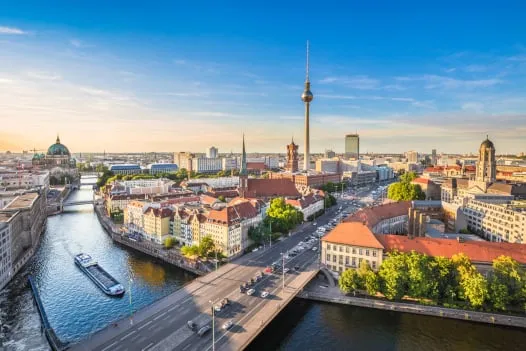
Go Wild in Berlin
The country's capital is a buzzing international city full of liberal young adults having wild parties, and you don't want to miss out. Berlin's most famous nightclub is the KitKat Club, a massive space with multiple dance floors and a swimming pool. For an alternative scene, head to R.A.W. in the Friedrichshain-Kreuzberg district, a large industrial space that used to be an imperial train yard but is now filled with clubs and skate parks. Prenzlauerberg is another great up-and-coming neighborhood with a young, artsy population and a selection of LGBT venues.
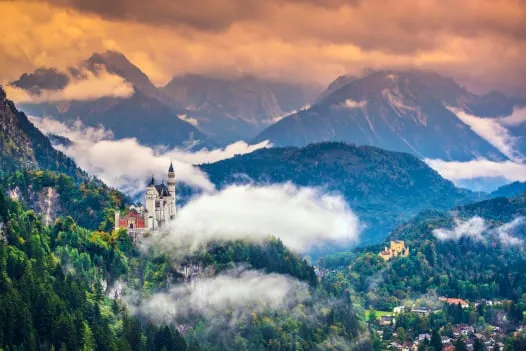
Visit the Grand Castles and Palaces
The most famous of Germany's great, historic castles is Neuschwanstein. Located in Bavaria, the gleaming white Neuschwanstein was the inspiration for the famous Disney Castle, and it was used as the Mad King's castle in Chitty Chitty Bang Bang. In Potsdam, right next to Berlin, you can walk around the grounds of Sanssouci, the 16th-century summer palace of a Prussian King. Other must-see castles around Germany include Burg Hohenzollern, Heidelberger Schloss, and Schweriner Schloss. There's even a castle called Schloss Hartenfels in Torgau, Saxony, guarded by three Brown bears!

Try German Food
Countless interesting dishes make Germany stand out on the map. Some, like currywurst and pretzels, are more touristy than authentic, though still worth a try. Other dishes, such as Mett (spiced, raw pork mince) and Blutwurst (blood sausage), are harder to consider. Everyone over 16 can try a local German beer, best enjoyed in a sun-soaked beer garden. While there, you must also sample the pizza-like Flammkuchen, a portion of Käsespätzle, a pasta-type dish with cheese, and a lemon-drizzled Schnitzel with Sauerkraut.
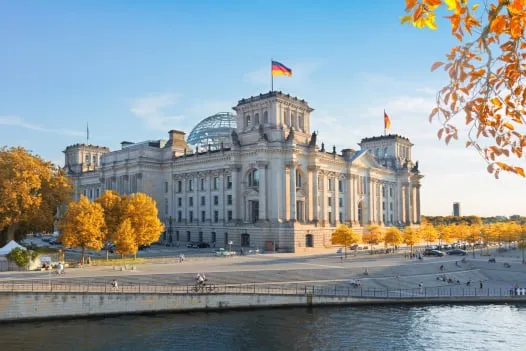
Immerse Yourself in History
Germany is famous for its many historic destinations, some from its more recent, tragic past, and other sights that date back hundreds of years. You can learn much about Germany's history from the museums and monuments in Berlin. For WWII buffs, you can visit the Reichstag Building, the Holocaust Memorial, the semi-destroyed Kaiser Wilhelm Memorial Church, and the nearby Sachsenhausen Concentration Camp. Those interested in post-war Berlin should visit the DDR Museum, Checkpoint Charlie, and the colorful sections of the original Berlin Wall at the East Side Gallery. For even older sights, check out the iconic Brandenburg Gate or tour the grounds of Charlottenburg Palace.
Celebrate Oktoberfest
Germany's biggest event is the boozy Oktoberfest, where people from around the world gather in Bavaria to drink beer from the barrel and taste authentic regional dishes. Oktoberfest has festival rides and live music in addition to its many beer tents, and it runs for 16 to 18 days each year. To get to the heart of the action, visit Oktoberfest in Munich in mid to late September or early October.
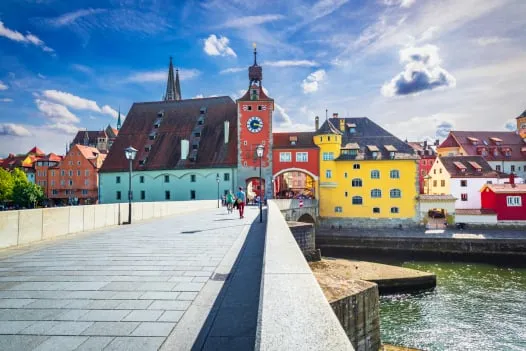
Explore an Old Town
Germany has a long history dating back to the Roman era, and evidence of this rich past can be found in the country's rural towns where time seems to stand still. One of the best examples is Regensburg, a typical old Bavarian town with narrow, Gothic buildings and tiny cobblestone streets. Or Nuremberg, a notorious city built around a small old town with a hilltop fortress and wood-beam houses. Less than a 2-hour drive from Berlin, the medieval town of Wittenberg has colorful houses around a café-filled square, a classic Germanic castle, and the church where Martin Luther started the Protestant Reformation.
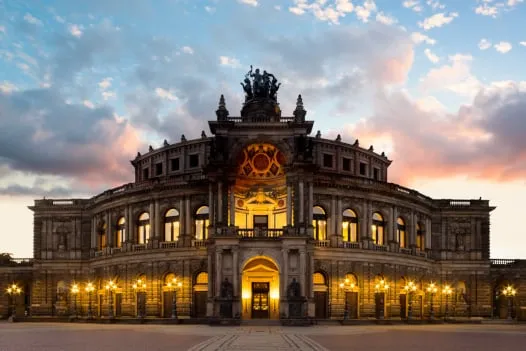
See an Opera
Did you know Berlin has more opera houses than any other city? That’s because Berlin is the opera capital of the world, hosting hundreds of performances each year. If it’s your first time seeing one, you might be more comfortable with the shorter, more comedic productions at the Komische Oper. For more serious opera buffs, the larger Staatsoper and Deutsche Oper feature pieces from classical European composers like Wagner, Mozart, and Verdi. Each big city in Germany has its own opera house that hosts shows for very reasonable prices.
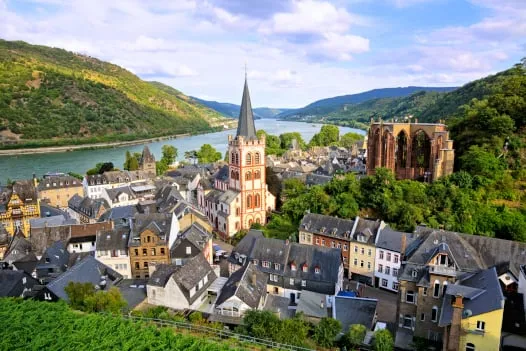
Stay in a River Valley
Many rivers wind across the German countryside, forming romantic valleys with old-fashioned houses and bountiful vineyards. The old Gothic town of Bacharach in the beautiful Rhine Valley is a particularly intimate destination for couples. Further to the south, the Moselle Valley also features artisan wines and medieval villages, such as Trier, built around an ancient Roman fortress.
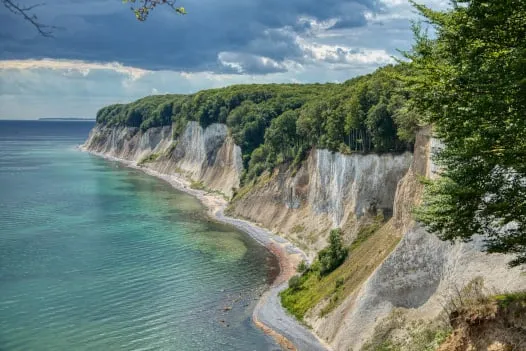
Spend Time by the Seaside
The northern coastline of Germany is harsh in the winter, but in the summer heat, a trip to the seaside can be refreshing. To the north of Berlin, the small island of Rügen is a popular summer getaway, with classic Victorian-style beach resort towns and a tiny steam train that rides through the countryside.
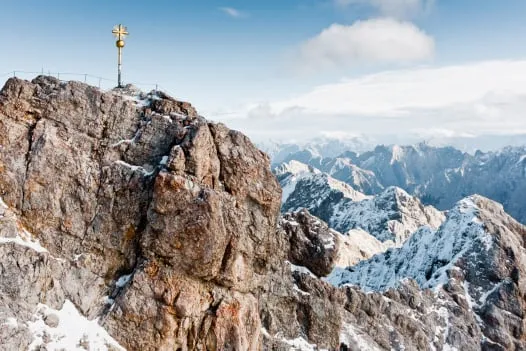
Hit the Slopes
Germany has many Alpine ranges in the southeast that turn into popular skiing destinations in the winter months. The best time to ski in Germany is from December to February, with most resorts opening in November and closing in April. There are a lot of ski towns in the Bavarian Alps, such as Zugspitze (which has the highest peak in Germany), Berchtesgaden, and Oberstdorf. In the center of the country, only a 3-hour drive from Berlin, the enchanting Harz Mountains have gentle slopes and cross-country skiing routes.
Parking a Campervan in Germany
Where are some of the best places to park an RV in Germany?
Germany has strict rules about motorhome parking in big cities and small country towns that you must be aware of. For instance, campervans can't park in a space if it is designated as 'cars only', and when you do find a space you can use, your vehicle must fit within the lines. Any motorhome weighing more than 2.8 tons cannot park along the sidewalk. Campervans are forbidden from parking in residential areas from 10 pm to 6 am and all day on Sunday. Whenever you successfully park, double-check that your motorhome is not blocking or hindering anyone else. Also, all passengers must be seated and restrained while your campervan is in motion.
According to German law, if you travel late into the night and believe you are too tired to continue driving safely, you may properly park and sleep in your motorhome to recover your energy. Designed to be used in emergencies, this law allows you to stay parked for up to 10 hours, and you must keep everything inside of your vehicle. Or you can park overnight for free at a highway rest stop or Stellplatz.
Where can you park a camper van overnight in Germany?
Germany has thousands of Stellplatz (motorhome stopovers), small designated parking areas where you can stay overnight—sometimes for free, but often for a small fee. Facilities vary a lot: some have little more than marked parking spaces, while others offer basics like electricity and water/waste services, so they’re easier to use if you have a self-sufficient campervan. Stay limits and rules depend on the specific Stellplatz (often designed for short stays like 1–5 nights) and are shown on-site. Reservations are often not required and sometimes not possible, so many Stellplätze work on a first-come-first-serve basis. If you’re stopping in a regular public car park or Autobahn rest area, a single overnight stay is generally only allowed to “restore your fitness to drive” (resting, not camping), so you should stay inside the vehicle and avoid “camping” behavior like chairs, awnings, or cooking outside.
Germany has 16 national parks, and each one features stunning landscapes and intriguing hiking trails. These great pockets of biodiversity have a lot to offer, and you might wish you could stay overnight and explore more of a park the next day. Unfortunately, camping and overnighting outside designated areas is generally not permitted—and many national parks explicitly prohibit camping/bivouacking (including in cars and motorhomes) unless an area is specifically marked as allowed. Rules can vary by park and federal state, so it’s best to check the national park’s official visitor rules before you go.
There are many privately-owned rural campsites in and around national park regions that blend in with the scenery, bringing you as close to a “wild” experience as you can get while staying legal. On average, campsite pricing varies by season, location, and what’s included, but a typical overnight stay in Germany during the summer high season is often in the mid-€30s to €40s+ for a motorhome pitch (with popular regions and higher-rated campsites usually costing more).
National Parks in Germany
Which are the best National Parks to visit in Germany?
The 16 national parks are spread out across the country, meaning you won’t be able to see them all in one trip, so here are Germany’s greatest national parks and their best overnight parking spots:
Berchtesgaden National Park
The Berchtesgaden National Park is stretched across the Bavarian Alps, on the border with Austria. The park is formed of rolling hillsides and staggering mountains, all merging to create the perfect hiking paradise. Furthermore, the picturesque landscape acted as the backdrop for the opening scene of The Sound Of Music.
The park is also near the Eagle’s Nest, a mountaintop structure where Hitler and other top Nazi officials used to gather to make battle plans. A rare survivor of Germany’s terrible past, the building is now a popular tourist attraction.
Berchtesgaden is a mountainous region, so you’ll want to pitch your motorhome at a campsite high in the hills for the best panoramic views. On average, it costs at least €35 a night for two people and a campervan pitch in Berchtesgaden. This rustic campsite is located in the heart of the national park, a great starting point for mountain hikes, and has an on-site shop and restaurant.
Saxon Switzerland National Park
Saxon Switzerland is an astonishingly beautiful national park filled with incredible rock formations and pine-covered cliffs. Unlike the Alpine ranges, the mountains here are more rugged, with unexpected plateaus and staggering stone columns that rise from the forest floor. River valleys fill with mist in the morning, and you can ride through them on boats and canoes.
The park is tucked against Germany’s border with the Czech Republic, only an hour’s drive from Dresden. Spend the night in a countryside campsite for €25 for two and get the rural experience, or stay closer to Dresden for some exciting German nightlife.
Lower Saxon Wadden Sea National Park
The Lower Saxon Wadden Sea Park covers a huge swathe of the northwest coastline. This area was designated as an ecological reserve in 1986, and the protected park is a refuge for the 4,000 plant and animal species living there.
The flat, marshy shoreline is important for Germany’s migrating birds, as hundreds of thousands of birds land here yearly to breed in the summer. The sandy bluffs and dunes that wind along the North Sea provide a refreshingly calm setting for a bird-watching hike.
Lower Saxon Wadden is a sea park, so it’s best to camp by the shore. There are some great beachside campsites near the port town of Cuxhaven that charge €40 for two people plus a campervan.
Black Forest National Park
The Black Forest is a vast mountain range in Germany’s southwestern corner, between France and Switzerland. The range is covered in densely-packed coniferous trees, making the mountains seem black against the morning mist.
Despite the scary-sounding name, the park is a friendly and peaceful place for woodland hikes. If you don’t feel like walking under the trees, walk on top of them! Visit Bad Wildbad in the heart of the forest and explore over a mile of treetop walkways for only €11.50.
On average, overnight stays in the Black Forest cost €40 for two travelers, and both the mountainside and the picturesque valleys are great places to spend the night. This boutique campsite in the forest has a restaurant and offers pony rides and fishing trips.
Each German National Park Has Its Own Beauty
Don’t miss out on the central Harz National Park, which had an explosion of biodiversity during the four decades it spent as an untouched no man’s land between East and West Germany. The Harz is full of lush woodland hikes, where you have a chance to spot an elusive Eurasian Lynx. The closest national park to Berlin is Müritz, formed of lakes and bird-friendly wetlands. The Bavarian Forest National Park is another mountain range that borders the Czech Republic; here, you can walk among ancient trees where wild wolves still roam.
How much does campervan entry cost at a national park in Germany? Are any permits required?
Germany's National Parks are large areas, often forested, that are generally free to enter and explore (there is no nationwide entrance fee for visiting). However, in some parks and popular trailhead areas, you will have to pay to park your campervan for the day. Parking fees are set locally and vary by location—sometimes a few euros (for example, up to €5/day in some central national-park car parks), and in very popular gateway areas they can be higher (for example, motorhome parking can be €10 for up to 8 hours or €25 for 24 hours at some major car parks). You typically don’t need an entry permit for a normal day visit, but certain activities (such as flying drones or commercial filming/photography) may be prohibited or require permission.
Some National Parks, such as Harz, Eifel, and Jasmund, have one or more visitor centers that offer information about the park and support conservation and education. Exhibitions and events often run in these visitor centers, and entry can be free at some sites, while others charge admission (for example, around €8 at the Eifel National Park center and €14 at the Nationalpark-Zentrum Königsstuhl).
Top 10 Campervan-friendly Campgrounds in Germany
To help you plan your trip to all of the country's greatest attractions, here are the best 10 campgrounds in Germany:
Camping Bärenbache
in Lower Saxony: Located in the heart of Harz National Park, this campsite lets you spend the day hiking in the wooded mountains before cooling off in a large pool.
Campsite Berlin Kladow
in Berlin: For a peaceful evening after a busy day in the city, sleep in this friendly campground nestled in the lakes between Berlin and Potsdam.
Campingplatz am Mahlower See
in Berlin: This sunny site on Berlin's southern outskirts is the perfect base to explore the capital, with the city on one side and open country on the other.
Camping Neuhaus
in Mecklenburg-Vorpommern: Stay at this sandy campsite on the North Sea coast, a three hour's drive from Berlin, for a seaside stop on your German road trip.
Campsite Niederwaldsee
in Hesse: This family-friendly campground is the perfect lakeside spot for an overnight stay close to Frankfurt and the Rhine River.
Oktoberfest Camping
in Bavaria: If you're visiting Munich for Oktoberfest, you might as well stay in the official motorhome campsite, which fits 500 vehicles and is only 12.4 miles away from the main festival!
Strand-Terrasse Campsite
in North Rhine-Westphalia: Situated between Cologne and Dusseldorf, this scenic lakeside camp is the best spot for a mixture of sightseeing and relaxation.
Struppen Campsite
in Saxony: This pleasant grassy site is the perfect base for exploring Dresden and the Saxon Switzerland National Park.in Saxony: This pleasant grassy site is the perfect base for exploring Dresden and the Saxon Switzerland National Park.
Wedel RV Park
in Schleswig-Holstein: Stay at this excellent riverside RV park close to Hamburg with a large pool and low prices.
Camping Zur Mühle
in Bavaria: This rustic campground is near the historic city of Nuremberg and surrounded by the picturesque Bavarian countryside.
Other European Destinations
Frequently Asked Questions
Is wild camping in an RV permitted in Germany?
No, wild/free camping in Germany is generally not permitted. However, a single overnight stop can be allowed if it’s strictly to restore your fitness to drive (a safety rest), provided you are parked somewhere that parking is allowed and there is no local prohibition. In that case, you must avoid “camping-like” behavior (no chairs/tables, no awning, no grilling), and you should leave again the next day.
There are plenty of campsites in Germany, and prices vary by season and region. As a rough guide, many campsites start from around €30 per night, and a typical overnight stay in peak season is often around €40 for a standard camping “bundle” (pitch and people), depending on what’s included.
Germany also has Stellplatz (motorhome stopovers), which are designated places where you are officially allowed to stop overnight with your motorhome—often near town centers and tourist sights. Many Stellplatz sites offer basic facilities such as electricity plus fresh-water and waste-water services, and sometimes sanitary facilities. Some charge a small fee (often less than a campsite), while others are free of charge.
What type of license do you need to rent a campervan in Germany?
To operate a motorhome weighing up to 7,716 pounds in Germany, you need a valid Type B driving license (Equivalent to Class D in the U.S. or Class G in Canada). If you're aiming to commandeer a larger campervan weighing more than 7,716 pounds, you're required to secure a B96 extension or possess a Type C or C1 license.
You should be at least 21 years of age to rent a campervan in Germany, with a minimum of one year's worth of driving experience under your belt. Planning to rent a more hefty vehicle weighing over 7,716 pounds? You'll need to be at least 23 years old for that.
Campervan Rental Reviews

Apollo Motorhomes
4.2★· 29 reviews
Apollo has been operating since 1985 and is well known among the RV rental community. The company has a wide range of vehicles and depots across all major destinations.
- ✓ Luxury
- ✓ New

DRM
4.9★· 103 reviews
One of Germany’s largest motorhome hire companies, DRM was established in 1994 and has over 25 years of experience in the rental industry. DRM has depots throughout Germany as well as other parts of Europe and supplies quality vehicles from campervans up to larger motorhomes.

McRent
4.5★· 107 reviews
One of the largest rental companies in Europe, McRent has luxury vehicles to suit groups of all sizes. McRent guarantees that its vehicles are no more than 2 years old and has depots in 95 locations throughout Europe and internationally.

Rent Easy
4.8★· 103 reviews
A luxury motorhome rental brand, Rent Easy only supplies vehicles less than 2 years old. Rent Easy has 4 options to choose from, all of which come equipped with a toilet and shower, heating, a bike rack, and many additional luxuries.